

What a Live-Action Samurai Champloo Means for Talent
Estimated reading time: 7 minutes
Why anime adaptations are changing creative hiring
What if the biggest challenge in adapting Samurai Champloo into live-action is not budget or fan pressure, but finding the right people to build it? That question matters because entertainment hiring has shifted fast: studios are no longer just filling roles, they are assembling highly specialized teams that can blend authenticity, action design, music identity, and global audience expectations. In that context, Explore the recruitment challenges and talent acquisition trends behind adapting anime hits like Samurai Champloo into live-action. Discover insights for hiring creative pros.
A live-action version of Samurai Champloo would require more than star power. It would need culturally fluent writers, fight coordinators who understand Edo-era movement and stylized rhythm, music supervisors capable of translating its iconic sonic energy, and production leaders who can protect the original tone while modernizing it for streaming audiences. That is where talent acquisition becomes a strategic advantage.
Studios today compete in a crowded global content market. According to broader entertainment employment patterns, demand rises fastest for people who can work across disciplines. For anime adaptation projects, that often includes:
When a beloved anime becomes live-action, hiring mistakes are not minor production issues; they become visible brand risks.
There is also a deeper industry lesson here. Whether you are a studio executive, recruiter, agency partner, or hiring manager in another creative field, adaptation projects mirror a broader shift toward precision hiring. Employers increasingly need talent that can handle legacy IP, online audience scrutiny, and collaborative workflows across continents.
For teams studying future-facing hiring models, this related lens is worth exploring too: Explore the recruitment challenges and talent acquisition trends behind adapting anime hits like Samurai Champloo into live-action. Discover insights for hiring creative pros.
Ingredients List

If a live-action Samurai Champloo were a recipe, these would be the core ingredients needed for success:
Possible substitutions: If hiring budgets are tight, studios often combine roles, but that comes with trade-offs. For example, a multi-hyphenate creator can cover writing and producing, yet may reduce oversight bandwidth. Similarly, freelance consultants can fill expertise gaps, though continuity sometimes suffers.
Timing
Building the right team for a high-profile adaptation takes time, often more than audiences realize.
That is often 20% to 30% longer than standard hiring cycles for less brand-sensitive productions. Why? Because fandom-driven properties demand tighter vetting, stronger portfolios, and more collaborative chemistry checks before contracts are signed.
Step-by-Step Instructions
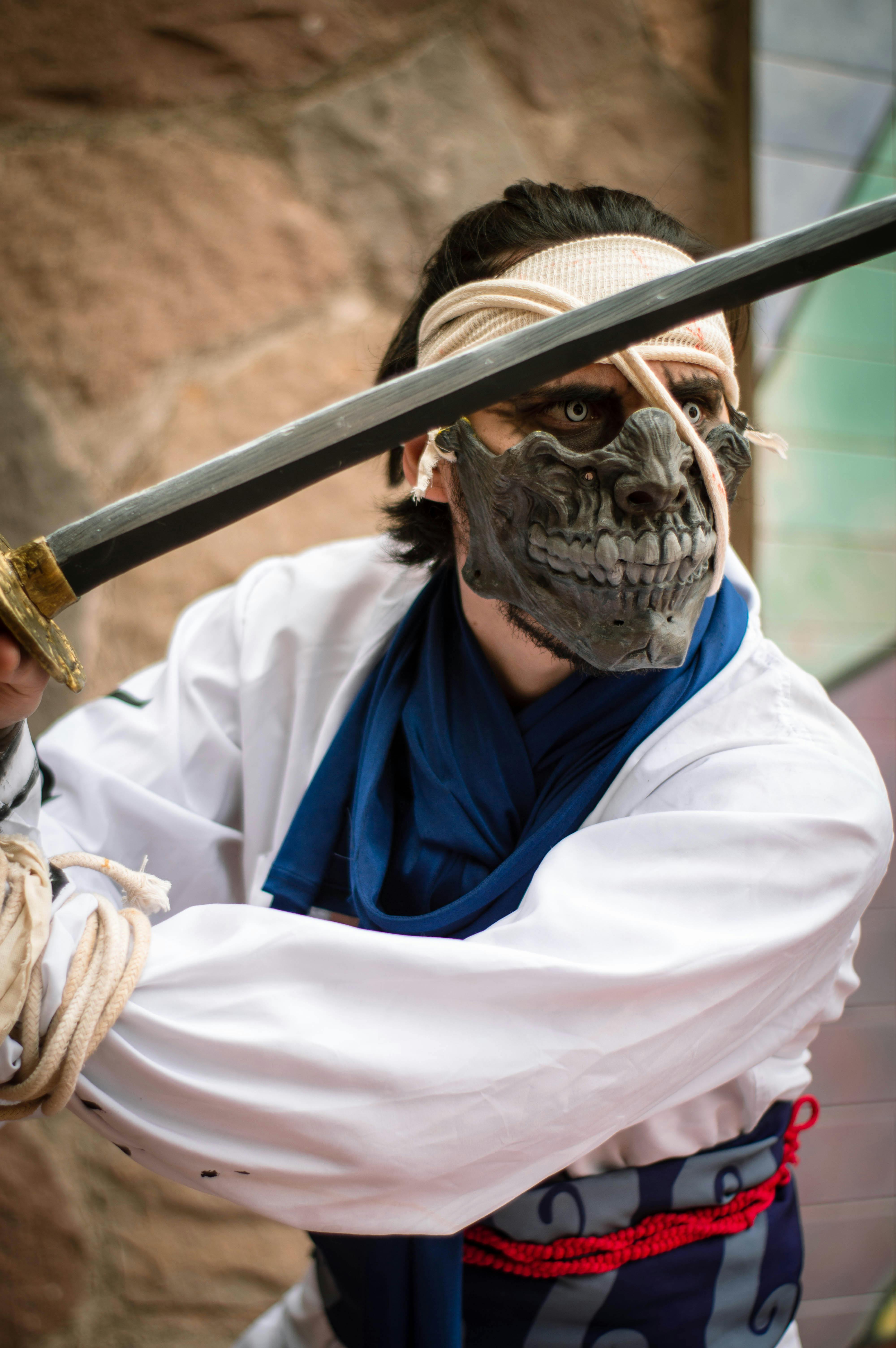
Step 1: Define the adaptation vision before hiring
Do not recruit into ambiguity. Start by clarifying whether the project will lean gritty, stylized, prestige-driven, or action-commercial. This helps hiring teams identify candidates whose portfolios already match the intended tone.
Tip: Use a creative brief with references for visual texture, music identity, and audience positioning. This saves time and reduces mismatched interviews.
Step 2: Build leadership roles first
Prioritize the showrunner, lead producer, and department heads. These hires shape every downstream decision, from script direction to location design. In recruitment terms, leadership alignment improves later hiring efficiency and lowers turnover risk.
Step 3: Source hybrid talent, not just traditional resumes
Many of the best candidates for anime adaptation work may come from adjacent spaces: indie cinema, stunt collectives, music video direction, game narrative teams, or international co-productions. Looking only at mainstream studio backgrounds can narrow the field too early.
Tip: Evaluate portfolios for tone translation, not just title recognition.
Step 4: Test for cultural fluency and fan sensitivity
For an IP like Samurai Champloo, the team must understand what fans protect most: mood, rhythm, character dynamics, and genre fusion. Interviews should include scenario-based questions about adaptation trade-offs, not only technical qualifications.
Step 5: Keep collaboration at the center
High-concept projects often fail when brilliant specialists cannot work across departments. The best talent acquisition strategy includes collaborative assessments, table reads, or concept workshops. That process reveals whether creatives can build something cohesive rather than individually impressive.
Nutritional Information
Think of this as the project’s performance profile. A strong adaptation hiring strategy delivers measurable value:
Data across creative industries consistently suggests that bad hires cost far more than longer recruitment cycles. For fandom-sensitive adaptations, this effect is magnified because weak creative alignment can damage both launch performance and long-term franchise potential.
Healthier Alternatives for the Recipe
If a full-scale studio approach feels too heavy, there are leaner ways to structure hiring while protecting quality:
These alternatives can make the process more adaptable, especially for streaming platforms or smaller production houses trying to compete without blockbuster-level overhead.
Serving Suggestions
How should industry readers use these insights?
If you want to go deeper, pair this analysis with related content on hiring for VFX-heavy productions, entertainment employer branding, or building globally distributed creative teams.
Common Mistakes to Avoid
In practice, the most costly error is assuming a beloved anime can be staffed like any other action project. It cannot.
Storing Tips for the Recipe
To preserve hiring quality over time, studios and recruiters should “store” their best practices properly:
This kind of preparation keeps talent pipelines fresh and reduces scramble hiring when major IP opportunities appear.
Conclusion
A live-action Samurai Champloo would be more than a pop-culture event. It would be a revealing test of how modern entertainment companies hire creative talent under pressure. Success would depend on more than visuals or star casting; it would come down to finding people who can translate tone, culture, movement, and audience trust into one coherent production.
The bigger takeaway: the future of talent acquisition belongs to organizations that hire for nuance, not just credentials. If you are building teams for high-stakes creative work, now is the time to refine your recruitment strategy, expand your sourcing lens, and invest in specialized talent pipelines.
Have thoughts on anime adaptation hiring or creative recruitment trends? Share your perspective, and explore similar posts on entertainment staffing, employer branding, and hiring for cross-disciplinary teams.
FAQs
Why is hiring for live-action anime adaptations so difficult?
Because these projects require a rare mix of technical skill, cultural understanding, fan awareness, and cinematic execution. A standard entertainment hiring approach often misses that complexity.
What roles are most critical in a Samurai Champloo-style adaptation?
Showrunner, writers, casting directors, fight coordinators, music supervisors, and cultural consultants are among the most important early hires.
Are talent acquisition trends changing in entertainment?
Yes. Studios increasingly prioritize hybrid talent, project-fit portfolios, collaborative ability, and niche domain expertise over conventional resumes alone.
How can recruiters find better creative professionals for adaptation projects?
Broaden sourcing beyond traditional studio pipelines. Look at gaming, indie film, music videos, global co-productions, and communities with strong visual storytelling experience.
What is the biggest hiring risk in adapting a beloved anime?
The biggest risk is misalignment: hiring talented people who do not understand the original work’s emotional and cultural DNA.



