

How the Samsung S26 Ultra Launch Impacts Tech Professionals
Estimated reading time: 15 minutes
Key takeaways
- The Samsung S26 Ultra launch is more than a device release; it is a market signal for enterprise mobility, AI integration, and premium hardware demand across professional tech services. Discover the Samsung Galaxy S26 Ultra launch deals and what they mean for technology solutions jobs, recruitment trends, and the future of professional tech services. This topic matters because flagship launches often influence hiring priorities in cloud, device management, cybersecurity, support, and digital transformation.Recruiters, managed service providers, consultants, and IT leaders can use the launch cycle to anticipate budget shifts, client demand, and new service opportunities.The launch also highlights broader workforce trends: demand for AI-savvy mobile engineers, endpoint security specialists, technical support analysts, solution architects, and B2B sales professionals.Tech professionals who align their skills with premium mobile ecosystems, device lifecycle management, and enterprise productivity tools are likely to benefit most.
Table of contents
Introduction
What if one smartphone launch could quietly reshape hiring pipelines, enterprise buying decisions, and consulting demand across the tech sector? That question may sound dramatic, but flagship launches have long acted as real-time indicators of where budgets, customer expectations, and digital workplace strategies are heading. In the case of Samsung’s newest premium release, the conversation is not just about camera sensors, AI features, display brightness, or battery efficiency. It is about how innovation at the top of the smartphone market influences the broader technology labor ecosystem.
To understand this shift, many professionals are beginning to Discover the Samsung Galaxy S26 Ultra launch deals and what they mean for technology solutions jobs, recruitment trends, and the future of professional tech services. That phrase may sound niche at first glance, but it captures a practical reality: major device launches are often tied to enterprise upgrades, managed mobility demand, support contracts, cybersecurity requirements, and a surge in consultative selling.
For IT consultants, solution architects, recruiters, telecom specialists, MSP leaders, field service teams, and enterprise mobility managers, the Samsung S26 Ultra launch represents a useful lens into where the market is going next. New flagship devices usually trigger downstream opportunities in deployment, mobile application optimization, device enrollment, endpoint protection, procurement, trade-in programs, and employee experience strategies. When premium Android devices become more capable, businesses start rethinking mobility standards, BYOD policies, and the role of AI-powered work tools.
There is also a recruitment angle. In previous product cycles, premium hardware launches across the mobile sector have often coincided with higher demand for technical account managers, mobile device management administrators, pre-sales engineers, repair logistics specialists, and software support teams. While hiring patterns vary by region and industry, the trend is consistent: when organizations upgrade their mobile fleets or evaluate new technology stacks, they need people who can plan, deploy, secure, support, and monetize those decisions.
The S26 Ultra launch enters a market where business leaders are already balancing inflation, AI adoption, cybersecurity pressures, hybrid work expectations, and pressure to improve productivity. That makes every device release more strategic than cosmetic. A flagship phone is no longer just a consumer luxury. It is a professional endpoint, a mobile AI workstation, a collaboration device, a secure authentication tool, a field operations hub, and a data capture platform.
If you are a tech professional, recruiter, hiring manager, or consultant, this guide will help you read between the lines. And if you want a broader industry perspective, you can also Discover the Samsung Galaxy S26 Ultra launch deals and what they mean for technology solutions jobs, recruitment trends, and the future of professional tech services. through the lens of market demand, customer behavior, and enterprise service delivery.
Ingredients List

Because the requested structure calls for a recipe-style framework, think of this section as the core ingredients behind the Samsung S26 Ultra launch impact analysis. Each ingredient represents a force shaping technology careers, recruitment trends, and service opportunities.
- 1 flagship launch event — The central catalyst. Premium launches create visibility, attention, and urgency across consumer and enterprise markets.2 tablespoons of enterprise mobility demand — Organizations need secure, manageable, high-performance mobile devices for executives, field teams, and hybrid workers.1 cup of AI-enhanced productivity features — On-device intelligence, workflow automation, summarization, and advanced image or language tools can influence software integration and IT support needs.3 handfuls of recruitment momentum — Expect stronger interest in roles related to support, deployment, mobile engineering, cybersecurity, account management, and channel sales.1 large portion of professional tech services — Consulting, integration, device lifecycle services, training, procurement optimization, and managed support all gain relevance around major launches.A pinch of cybersecurity pressure — Every new premium device introduces fresh conversations around data privacy, endpoint defense, zero-trust access, and mobile threat management.2 scoops of customer expectation inflation — Once a flagship introduces better AI, camera, battery, or display experiences, users start expecting similar performance in professional workflows and business apps.1 layer of channel and carrier promotions — Launch deals, trade-ins, bundling, and enterprise financing directly affect adoption speed and deployment volume.A drizzle of BYOD and COPE policy review — Businesses often revisit whether staff should use personal devices, company-owned devices, or hybrid models.Optional substitution: budget-conscious enterprise upgrades — If organizations do not adopt the S26 Ultra at scale, they may still adjust their procurement criteria using the launch as a benchmark.Optional substitution: managed services over direct hiring — Some companies may outsource support, device administration, or mobility strategy instead of hiring permanent specialists.
These ingredients combine into a simple insight: the bigger the flagship launch narrative, the greater the chance it influences adjacent hiring and service ecosystems. It is not always immediate, and it is not always linear, but the pattern is reliable enough that market-aware professionals pay attention.
Timing
- Preparation time: 1 to 2 weeks of market reaction monitoring after launch announcements, pre-order offers, and carrier promotions appear.Analysis time: 30 to 60 days to identify early hiring signals, channel response, enterprise conversations, and service demand changes.Business impact window: 1 to 2 quarters, as procurement cycles, recruitment planning, and service contracts catch up with device market momentum.Total strategic timing: Approximately 90 days, which is often faster than many annual budget cycles and useful for spotting opportunities before they become obvious.
In practical terms, the first two weeks after launch are where perception is shaped. The following month is where channel, retail, and enterprise mobility teams begin adjusting recommendations. By the end of the quarter, hiring managers, MSPs, consultants, and solution providers usually have a clearer picture of whether the launch has translated into real commercial activity.
For tech professionals, that means timing matters. If you wait six months to update your resume, certifications, or client messaging, you may miss the strongest opportunity window. Early movers tend to benefit most when they can connect a market event to a tangible service or hiring need.
Step 1: Understand the launch as a market signal
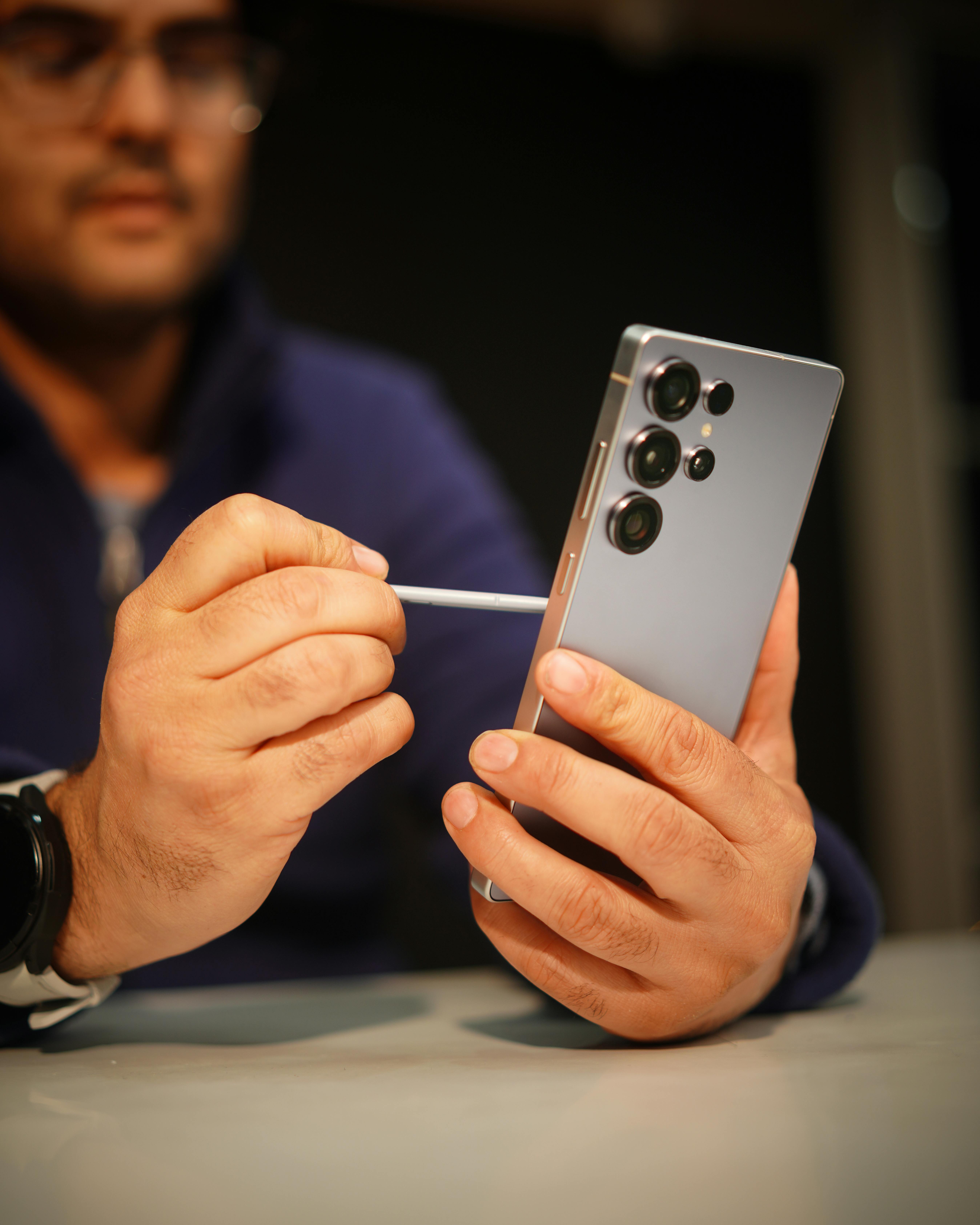
The first step is to stop treating the Samsung S26 Ultra launch as a standalone gadget story. In the professional world, a flagship device release signals several things at once: supplier confidence, premium demand, innovation priorities, competitive positioning, and enterprise mobility direction.
When Samsung pushes a flagship device aggressively, the market listens. Carriers prepare promotions. retailers optimize bundles. enterprise buyers compare fleet options. accessory makers expand catalogs. software vendors test compatibility. IT teams revisit provisioning plans. recruiters ask whether new projects will require fresh talent. That ripple effect is why the launch matters far beyond the smartphone category.
A useful way to personalize this analysis is to ask: Where does my role intersect with mobile transformation? If you work in cybersecurity, look at endpoint risk and identity workflows. If you are in support operations, consider ticket volume and device onboarding demand. If you recruit technical talent, monitor job postings tied to Android, mobility, support engineering, and digital workplace operations. If you are a consultant, ask what client questions will emerge from this release.
Many professionals underestimate the symbolic power of flagship launches. They assume enterprise customers are slow and unaffected. But in reality, premium launches reset expectations. A better battery life claim can affect field productivity discussions. Enhanced AI features can spark collaboration software conversations. Improved camera systems can benefit inspection, documentation, healthcare imaging, sales demos, and remote expert support. A more secure chipset or software layer can influence regulated sectors.
This is why more readers are looking to Discover the Samsung Galaxy S26 Ultra launch deals and what they mean for technology solutions jobs, recruitment trends, and the future of professional tech services. They are not just browsing offers. They are trying to understand the strategic signals hidden inside pricing, promotions, trade-ins, and ecosystem messaging.
Actionable tip: Create a quick launch watchlist with five columns: device features, target user groups, enterprise use cases, impacted job roles, and service opportunities. This turns launch noise into a structured business analysis.
Step 2: Map device innovation to job growth
Once you recognize the launch as a signal, the next step is to connect product innovation with workforce demand. This is where many professionals miss valuable insight. Hardware improvements do not create jobs directly in a simple one-to-one way. Instead, they generate workflows, expectations, and support requirements that increase labor demand in surrounding functions.
Consider the likely areas influenced by a premium smartphone launch:
Recruitment trends often follow this pattern. If launch deals are compelling and adoption accelerates, support-related and customer-facing technical roles can rise first. More strategic and architecture-oriented hiring may follow once organizations move from testing to scaled deployment.
There is also a subtler labor trend at play: premium hardware can increase pressure on software and services teams to deliver equally premium experiences. If the device feels faster, smarter, and more intuitive, users become less tolerant of clunky enterprise apps, slow ticket resolution, and outdated mobile workflows. That means demand grows not just for device specialists, but for UX-minded product teams, mobile developers, workplace experience managers, and AI workflow consultants.
Actionable tip: Review job boards over a 30-day period after major launch activity. Search for terms like mobile device management, enterprise Android, endpoint security, field support, unified endpoint management, telecom expense management, and technical solutions consultant. Compare volume and language trends to prior periods.
Step 3: Analyze recruitment trends
Recruitment does not react to product launches in a vacuum. It responds to downstream demand. So the better question is not, “Will the S26 Ultra create jobs?” but rather, “Which teams will be asked to solve new problems because of this launch?”
Here are the recruitment patterns worth watching:
One reason flagship launches matter in recruitment is that they expose organizational readiness gaps. A company may realize it lacks internal expertise in Android fleet management. Another may discover that its mobile app experience is not optimized for premium business users. A managed service provider might suddenly field more requests for procurement guidance, secure provisioning, or migration planning. Those gaps become hiring briefs.
From a recruiter’s perspective, the Samsung S26 Ultra launch can also sharpen candidate evaluation criteria. Hiring managers may prioritize hands-on experience with device ecosystems, MDM platforms, enterprise onboarding, mobile security architecture, and customer enablement. Candidates who can connect hardware trends to business outcomes become more attractive because they are easier to position with clients and stakeholders.
This is where the related keyword becomes strategically useful. Industry watchers want to Discover the Samsung Galaxy S26 Ultra launch deals and what they mean for technology solutions jobs, recruitment trends, and the future of professional tech services. because launch deals often reveal expected volume, target segments, and channel confidence. A strong trade-in campaign may suggest push toward mass upgrades. Business bundles may indicate enterprise targeting. Financing incentives can point to expansion opportunities for solution providers.
Actionable tip: If you recruit in tech, update your intake questions with launch-sensitive prompts: Are clients planning mobile refreshes? Are they adding support coverage? Are there new Android or Samsung-specific requirements? Are they outsourcing deployment or keeping it in-house?
Step 4: Evaluate impact on professional tech services
Professional tech services may be the area where the launch has the most underappreciated impact. While headlines focus on specs and pricing, service firms focus on implementation, enablement, support, integration, compliance, and lifecycle economics.
Here are the service categories most likely to gain relevance around a premium mobile launch:
Service providers who frame the S26 Ultra launch only as a device announcement may miss the bigger revenue opportunity. The real value sits in what customers need before and after purchase: migration planning, user segmentation, support readiness, policy alignment, application compatibility, and ROI measurement.
For independent consultants and boutique agencies, this is a moment to package expertise clearly. Instead of offering generic IT support, position services around mobile modernization, secure Android deployment, executive device readiness, AI workflow adoption, or field mobility optimization. Specificity wins in launch-driven markets.
There is also a future-facing angle. As premium mobile devices become more capable, clients increasingly expect their service partners to understand edge productivity, AI-assisted workflows, real-time collaboration, mobile content capture, and secure anywhere access. In that sense, the S26 Ultra launch does not just affect current services. It changes the standard clients use to judge professional tech competence.
Actionable tip: Audit your service catalog. If a client asked tomorrow how the Samsung S26 Ultra could improve productivity, security, or field operations, would you have a clear offer ready? If not, refine your messaging now.
Step 5: Build a practical career strategy
The final step is turning market observation into personal action. Whether you work in IT operations, technical recruiting, consulting, solutions architecture, telecom, cybersecurity, or customer success, the Samsung S26 Ultra launch can help you identify where to grow next.
Start with skills. Ask yourself which of these areas you can strengthen over the next quarter:
Then move to positioning. Your resume, LinkedIn profile, portfolio, and client-facing materials should show that you understand not only devices, but also the business systems around them. Employers and clients want professionals who can connect technology adoption with operational outcomes.
For example, instead of saying you “supported smartphones,” say you “improved mobile onboarding speed, standardized enterprise device policies, and reduced support friction for distributed teams.” Instead of saying you “worked on Android projects,” say you “enabled secure Android fleet deployments aligned with compliance and productivity goals.”
Next, monitor the deal environment. Launch deals reveal market confidence and adoption strategy. If you consistently Discover the Samsung Galaxy S26 Ultra launch deals and what they mean for technology solutions jobs, recruitment trends, and the future of professional tech services. you will become better at spotting where budgets may flow. For candidates, that helps prioritize applications. For consultants, it sharpens outreach. For recruiters, it improves talent forecasting.
Finally, think in ecosystems, not products. The future of professional tech services is increasingly shaped by how devices, software, AI, security, and user experience fit together. The people who thrive are those who can translate launch momentum into deployment logic, customer value, and measurable results.
Nutritional Information
In this recipe-style framework, the “nutritional information” reflects the practical value you can extract from the Samsung S26 Ultra launch if you are a technology professional. Think of it as the measurable benefit profile of paying attention.
- Career protein: High. The launch supports stronger relevance for skills in enterprise mobility, endpoint security, customer enablement, and mobile workflow optimization.Market fiber: Strong. It helps you interpret broader digital transformation trends rather than focus only on a single product release.Opportunity density: Medium to high, depending on your role. Recruiters, MSPs, consultants, and support organizations may see the most immediate impact.Risk content: Moderate. Overreacting to launch hype without evidence can lead to poor decisions, so balanced analysis matters.Long-term value: High. Premium mobile innovation continues to influence how enterprises think about productivity, security, and employee experience.
Data-wise, while exact effects vary by region and employer, enterprise technology markets consistently reward professionals who can work across devices, platforms, support workflows, and business outcomes. The strongest value comes from understanding the launch not as isolated news, but as part of a wider mobility and services ecosystem.
Healthier Alternatives for the Recipe
If your audience, clients, or career goals are not centered on premium mobile hardware, there are still healthier and more adaptable ways to use the same insight.
- Focus on mobility strategy instead of one device: This broadens your relevance and protects you from depending on a single brand cycle.Prioritize security-first messaging: If you work with regulated industries, frame the launch around endpoint risk, governance, and compliance rather than hardware excitement.Use cost-optimization positioning: For budget-sensitive clients, compare flagship capabilities with role-based deployment rather than recommending broad rollouts.Shift toward managed services: If organizations are cautious about hiring, offer subscription-based support, configuration, and lifecycle management.Adapt for different career diets: Recruiters can focus on role demand, consultants on service packaging, IT managers on policy readiness, and job seekers on skills alignment.
These alternatives preserve the flavor of the opportunity while making it more practical for a wider range of professionals and organizations.
Serving Suggestions
Here are the best ways to “serve” this insight depending on your professional role:
- For job seekers: Use the launch as a conversation starter in interviews. Show that you understand how device innovation affects operations, support, and enterprise value.For recruiters: Build talent pipelines around mobility, endpoint management, support engineering, and consultative technical sales.For IT leaders: Review your mobile fleet strategy, security controls, and employee experience standards in light of premium device expectations.For consultants: Turn the launch into workshops, advisory sessions, rollout frameworks, or ROI assessments for clients.For service providers: Bundle procurement guidance, deployment, security setup, user training, and support into a clear post-launch offering.
To make your content or strategy more engaging, pair this article with related resources on mobile security, endpoint management, AI productivity tools, or recruiting in the digital workplace. Readers and clients respond best when market insight is matched with practical next steps.
Common Mistakes to Avoid
- Confusing hype with demand: A loud launch does not automatically equal enterprise adoption. Watch for procurement signals, not just social buzz.Ignoring service layers: The value is rarely in hardware alone. Deployment, support, security, and integration often create more lasting opportunity.Overlooking recruitment timing: Hiring often lags announcements. Monitor trends over a quarter, not just launch week.Using generic messaging: Saying “we support mobile devices” is too broad. Define the business problem you solve.Neglecting data security: Premium devices still require rigorous governance, especially in finance, healthcare, legal, and public sector settings.Failing to tailor by audience: Executives care about ROI, IT cares about management, users care about experience, and recruiters care about skills fit.
In experience-led markets, the professionals who stand out are those who combine technical awareness with grounded commercial judgment.
Storing Tips for the Recipe
- Save launch materials: Keep product pages, deal summaries, and ecosystem announcements in a reference folder for client or interview discussions.Track hiring data monthly: Store screenshots or notes from job boards to identify whether launch-related roles are growing.Refresh messaging quarterly: Update your service pages, resume, or outreach copy as market reactions become clearer.Preserve relevance with follow-up research: The first news cycle fades quickly, but post-launch adoption patterns are where durable insight lives.Maintain freshness by comparing competitors: Store parallel notes on other flagship launches to understand whether this is a brand-specific signal or a broader market shift.
Good storage means turning temporary launch attention into reusable strategic intelligence. That is especially valuable for consultants, recruiters, and professionals building thought leadership.
Conclusion
The Samsung S26 Ultra launch matters because it sits at the intersection of hardware innovation, enterprise mobility, AI-enabled productivity, security requirements, and commercial opportunity. For tech professionals, it is a useful indicator of where clients, employers, and service markets may be heading next.
We looked at the launch through a recipe-style structure, but the takeaway is serious and practical: flagship device releases can influence hiring demand, redefine service opportunities, raise user expectations, and shape the future of professional tech services. If you work in recruitment, consulting, IT operations, support, pre-sales, or cybersecurity, this is the kind of market moment worth decoding carefully.
Now is a smart time to review your skills, refine your positioning, and watch how launch deals, enterprise messaging, and channel activity evolve over the coming weeks. If you want to stay ahead, continue to Discover the Samsung Galaxy S26 Ultra launch deals and what they mean for technology solutions jobs, recruitment trends, and the future of professional tech services. and turn that insight into action.
Call to action: If this analysis helped you, share it with a colleague, hiring manager, or client team, and use it to start a conversation about mobility strategy, tech hiring, or service planning. You can also explore adjacent topics such as enterprise Android management, AI workplace tools, mobile security frameworks, and digital workplace transformation.
FAQs
Does a smartphone launch really affect technology jobs?
Yes, indirectly. Major launches can influence enterprise upgrades, support needs, security planning, and service demand, which in turn affect hiring across mobility, support, consulting, and sales functions.
Which tech roles are most likely to benefit from the Samsung S26 Ultra launch?
Enterprise mobility specialists, endpoint security professionals, technical support analysts, pre-sales engineers, managed service teams, recruiters focused on workplace technology, and solution consultants are all well positioned.
Why do launch deals matter for recruiters and consultants?
Launch deals often signal target market segments, expected upgrade volume, and channel confidence. That helps recruiters anticipate skill demand and consultants identify commercial opportunities.
Is this impact limited to Samsung-focused professionals?
No. The broader lesson applies to enterprise mobility, premium device adoption, support strategy, AI productivity, and professional tech services across ecosystems.
How can job seekers use this trend effectively?
Update your resume and interview stories to show how you improve mobile operations, security, user adoption, or client outcomes. Employers value professionals who connect technology trends to business results.
What should managed service providers do after the launch?
Review service packaging, create launch-relevant offers, prepare support documentation, and proactively contact clients about procurement, deployment, security, and training opportunities.
How long does the hiring impact usually last?
Most visible effects emerge over one to two quarters, depending on procurement cycles, enterprise adoption speed, and whether organizations hire internally or outsource the work.


