

Expert Analysis of Samsung S26 Ultra Tech Deals
Estimated reading time: 15 minutes
Key takeaways
Table of contents
Why are launch deals becoming a serious professional investment question?
What if the biggest mistake professionals make with flagship phones is treating them like consumer splurges instead of productivity investments? That question matters now more than ever, because premium smartphones have evolved into always-on workstations for recruiting, sales, content creation, client communication, and mobile decision-making. In practical terms, buyers want to Discover the launch deals for the Samsung Galaxy S26 Ultra and what it means for professional technology investments. Gain expert insights from recruitment tech specialists on evaluating flagship tech. before committing to a high-end purchase.
While the exact launch package for a device like the Samsung Galaxy S26 Ultra can vary by region, retailer, and carrier, the broader pattern is consistent: early offers often bundle trade-in credits, storage upgrades, payment incentives, accessories, and limited-time discounts. That means the visible price is only one part of the story. The real question is whether the phone improves your workflow enough to justify its place in your technology stack.
Professionals rarely buy flagship devices for specs alone. They buy for outcomes: smoother multitasking, stronger camera utility for field work, better battery reliability during long days, and faster communication in high-stakes environments. Recruitment tech specialists, in particular, tend to look beyond hype. They assess whether a device supports scheduling, video calls, applicant tracking access, mobile note capture, and secure communication without friction.
The smartest way to evaluate a new flagship is not, “How much does it cost today?” but “What value does it produce over the next two to three years?”
If you are looking to Discover the launch deals for the Samsung Galaxy S26 Ultra and what it means for professional technology investments. Gain expert insights from recruitment tech specialists on evaluating flagship tech., this guide uses a familiar recipe-style structure to make a complex decision easier to follow. Think of it as a practical framework for understanding launch value with clarity, context, and confidence.
Ingredients List

To properly analyze Samsung S26 Ultra launch deals, you need a well-balanced set of decision ingredients. Like any successful recipe, the final result depends on what you put in at the start.
Suggested substitutions:
The sensory side of this decision matters too. A flagship phone should feel fast, confident, polished, and dependable. You should notice fluid navigation, crisp screen clarity, responsive multitasking, and camera output you can trust under pressure. Those details may seem intangible, but they directly influence work quality and daily friction.
Timing
Every launch deal has a timing curve, and understanding it can save professionals real money.
In many premium-device launches, the strongest perceived deals appear in the first one to two weeks because brands want momentum, reviews, and social proof. However, later cycles may introduce deeper discounts through carriers, holiday sales, or inventory pressure. That means timing depends on what you value most:
Practical insight: If your current phone is slowing down and disrupting work, delaying your purchase may cost more in lost productivity than you save by waiting for a slightly better discount.
Step 1: Define your professional use case
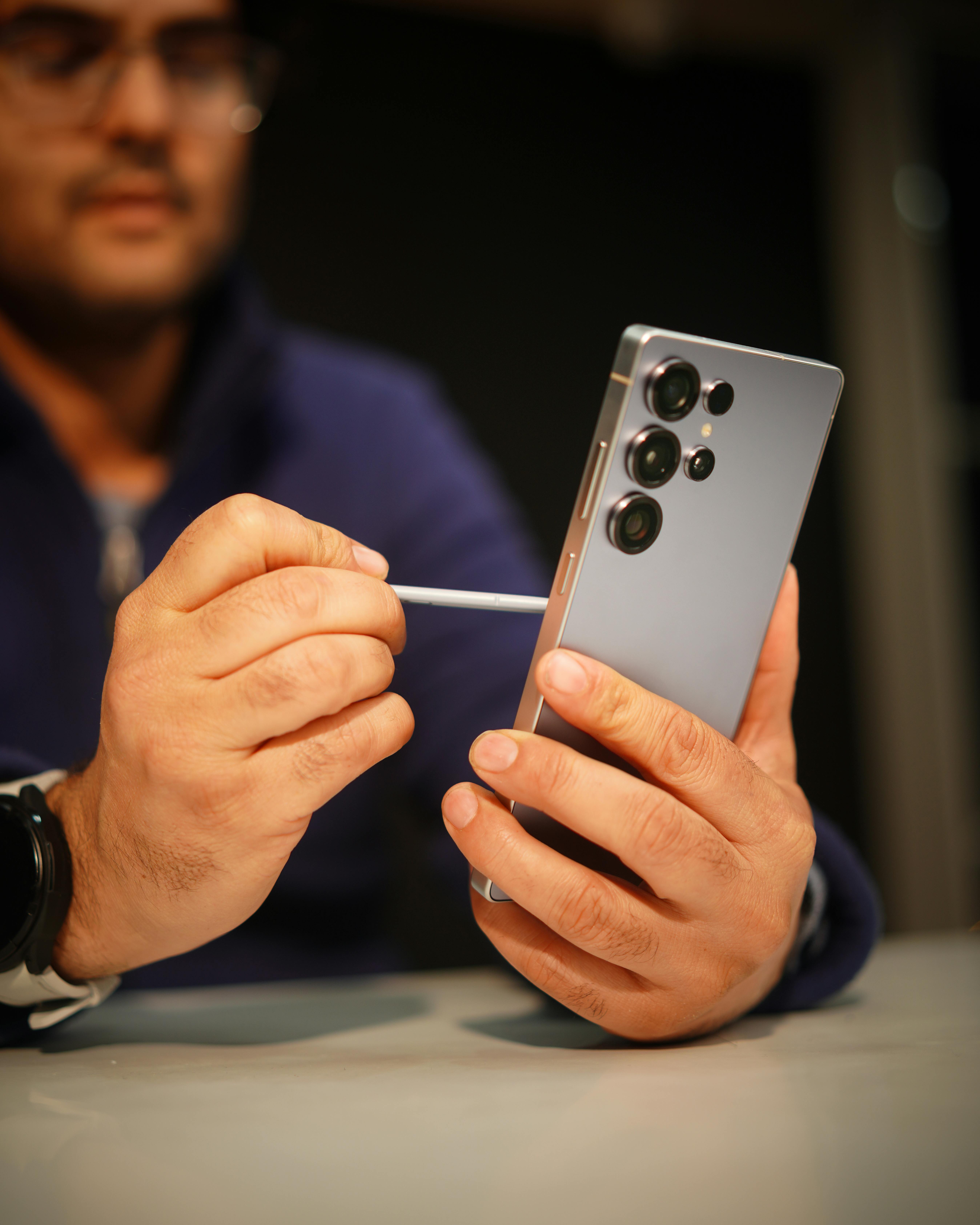
Start where smart investment analysis always starts: what job must the device actually do?
For recruiters and recruitment tech specialists, a flagship device often handles:
For consultants, founders, and sales leaders, the same phone may also serve as a presentation tool, mobile camera rig, secure communication hub, and remote work fallback. This is why the phrase Discover the launch deals for the Samsung Galaxy S26 Ultra and what it means for professional technology investments. Gain expert insights from recruitment tech specialists on evaluating flagship tech. resonates in business settings. The phone is no longer just a handset. It is a portable operating environment.
Tip: Write down your top five weekly tasks done on mobile. If at least three are business-critical, flagship performance may be easier to justify.
Step 2: Break down the launch deal structure
A launch deal is usually built from several layers, and each layer changes the true cost.
Common components include:
Many buyers stop at the advertised savings number. Professionals should not. Instead, separate the deal into cash value, conditional value, and workflow value.
Actionable trick: Build a quick side-by-side spreadsheet with three columns: Advertised Value, Realistic Value to You, and Conditions Attached. This instantly reveals whether a “huge” launch promotion is truly strong or mostly marketing gloss.
Step 3: Compare total cost of ownership
Professionals should evaluate flagship phones the same way they evaluate software subscriptions or premium laptops: through total cost of ownership.
That means including:
For example, a phone priced higher at launch may still be the better professional investment if it offers better resale retention, more storage, better battery longevity, and fewer workflow interruptions. In fast-moving business roles, reliability has measurable value. Missed calls, lagging apps, poor signal handoff, and battery anxiety can erode performance far more than buyers expect.
A premium device that saves 10 minutes a day can return more value across a year than a lower-cost option that creates daily friction.
When readers search for ways to Discover the launch deals for the Samsung Galaxy S26 Ultra and what it means for professional technology investments. Gain expert insights from recruitment tech specialists on evaluating flagship tech., what they are often really asking is this: Will this phone justify itself over the life of ownership?
Simple formula:
Net Ownership Cost = Total Purchase Cost + Add-ons + Fees - Trade-in - Resale Value
Then ask: What business value does the device add over that period?
Step 4: Evaluate flagship features like an investor
It is easy to get distracted by headline specs. Instead, score the device based on high-impact categories.
Flagship buyers often overvalue camera zoom and undervalue battery confidence, software reliability, and long-term update support. Recruitment tech specialists usually reverse that pattern. They favor the features that keep work moving: speed, stability, crisp communication, strong battery, and dependable media capture.
Personalized recommendation: If your day involves back-to-back calls, messaging, navigation, and cloud access, prioritize battery and thermal efficiency over novelty features. If client-facing content is central, then premium camera capability becomes much more valuable.
Step 5: Apply recruitment tech specialist logic
Recruitment professionals provide a surprisingly useful model for evaluating flagship technology. Their work sits at the intersection of speed, relationship management, and mobile responsiveness. A device that fails at the wrong time can damage candidate experience, hiring coordination, or client trust.
Here is how recruitment tech specialists often think:
This framework is especially useful if you are assessing whether a premium Samsung launch fits your role. It converts a flashy buying decision into a sober technology procurement question.
In that sense, to Discover the launch deals for the Samsung Galaxy S26 Ultra and what it means for professional technology investments. Gain expert insights from recruitment tech specialists on evaluating flagship tech. is to look at the device with both ambition and discipline. You want the upside of premium technology, but you want it anchored to professional outcomes.
Step 6: Decide whether to buy at launch or wait
This final step is where many buyers hesitate. The right answer depends on your urgency, your current device health, and the type of deal available.
Buy at launch if:
Wait if:
Professionals should be especially careful with offers that look large but rely heavily on long carrier lock-ins. Those can be useful, but only if they align with your actual service plans. A lower upfront price is not automatically the better deal if it restricts flexibility.
Quick decision checkpoint:
Nutritional Information
In recipe terms, this is the “what are you really consuming?” section. For a flagship purchase, nutritional information translates to the measurable value profile of the deal.
From a data perspective, premium mobile devices often deliver the strongest value when users keep them long enough to spread the initial cost across sustained productivity. A buyer who upgrades too frequently may dilute value, while a buyer who waits too long may absorb hidden productivity losses from aging hardware.
Best interpretation: A healthy technology investment is one that balances cost, performance, reliability, and useful lifespan.
Healthier Alternatives for the Recipe
If the S26 Ultra deal structure does not fit your budget or workflow, there are healthier alternatives that still preserve strong performance.
These swaps are especially useful for readers who like the prestige of a flagship but want a more balanced investment profile. If your work is mostly messaging, cloud access, and standard business apps, a slightly older premium device may deliver nearly all the practical value at a much lower net cost.
Adaptation idea: For budget-sensitive professionals, prioritize update support, battery health, and trade-in math over launch excitement.
Serving Suggestions
Here is how to “serve” your Samsung S26 Ultra evaluation so it becomes actionable and useful.
For teams or business buyers, one practical serving suggestion is to create a mini device scorecard with weighted categories such as battery, performance, camera, software longevity, security, and total cost. This avoids emotional buying and encourages consistent technology procurement decisions.
If you want to keep exploring smart tech-buying frameworks, revisit the central idea to Discover the launch deals for the Samsung Galaxy S26 Ultra and what it means for professional technology investments. Gain expert insights from recruitment tech specialists on evaluating flagship tech. and apply the same method to tablets, laptops, and other premium tools.
Common Mistakes to Avoid
Always inspect the conditions behind trade-ins, credits, and financing.Overbuying storage or accessories
A free upgrade is only valuable if you genuinely need it.Ignoring total cost of ownership
Taxes, insurance, lock-ins, and resale all change the final equation.Buying based on hype instead of workflow
The best phone for your profession may not be the one with the flashiest launch trailer.Undervaluing software support
Long-term updates influence security, reliability, and device lifespan.Waiting too long with a failing device
Lost productivity can quietly exceed the savings from waiting for the “perfect” deal.
One pattern seen repeatedly among buyers is emotional anchoring. If a launch page says you are saving a large amount, your brain may treat the deal as exceptional before you check the terms. Counter that by asking one simple question: Would I still choose this if the marketing headline disappeared?
Storing Tips for the Recipe
Once you have made your decision, store the value properly by protecting both your investment and your future flexibility.
For professionals managing technology budgets, it is also wise to record the reason for the purchase: improved reliability, stronger mobile content creation, or reduced workflow friction. That makes future buying decisions smarter and more data-driven.
Best practice: store your purchase logic along with the receipt. Twelve months later, that record helps you judge whether the investment delivered what you expected.
Conclusion
The Samsung S26 Ultra launch conversation is not just about premium pricing or launch excitement. It is about whether a flagship device can deliver durable professional value in a world where mobile tools increasingly shape productivity, communication, and decision speed.
To evaluate the opportunity well, focus on the fundamentals: your use case, the real structure of the launch deal, total cost of ownership, feature relevance, and long-term fit. The strongest buyers are not the fastest buyers. They are the clearest thinkers.
If you want a practical framework to follow, return to this core lens: Discover the launch deals for the Samsung Galaxy S26 Ultra and what it means for professional technology investments. Gain expert insights from recruitment tech specialists on evaluating flagship tech. and assess the device as a working asset, not just a luxury purchase.
Call to action: If you are considering a flagship upgrade, map out your top three work needs, compare at least three launch offers, and calculate your net ownership cost before buying. Then share your thinking with your team, your peers, or your audience. Smart tech choices compound over time.
FAQs
Is buying the Samsung S26 Ultra at launch usually worth it for professionals?
It can be, especially if launch bundles include strong trade-in credits, storage upgrades, or accessories you would purchase anyway. It is most worth it when your current phone is actively limiting your work.
What is the most important metric when comparing launch deals?
The most important metric is net ownership cost, not the advertised savings headline. That means factoring in trade-ins, taxes, accessories, lock-ins, and likely resale value.
Why are recruitment tech specialists relevant to smartphone buying advice?
Because they often depend on fast, reliable, mobile-first workflows. Their decision framework emphasizes responsiveness, battery life, communication reliability, and ecosystem fit, which are useful criteria for many professionals.
Should I choose a carrier deal or buy unlocked?
Choose a carrier deal if the credits are substantial and you are comfortable staying for the required term. Choose unlocked if you value flexibility, simpler resale, and freedom to change providers.
How do I know whether premium camera features actually matter for my work?
If you create client content, capture events, document field work, record product visuals, or rely on high-quality video calls and media capture, camera quality can be a real productivity asset. If not, prioritize battery and software longevity first.
What if I like the S26 Ultra but the price feels too high?
Consider a previous Ultra generation, a smaller flagship, or a better-timed seasonal sale. You can often preserve most of the practical value while lowering the total spend.
How often should professionals replace a flagship phone?
For many professionals, a 2- to 4-year cycle offers a strong balance between value and performance. The best timing depends on battery health, software support, and whether the device is still serving your workflow efficiently.


