

Tech-Driven Entertainment Trends for Modern Professionals
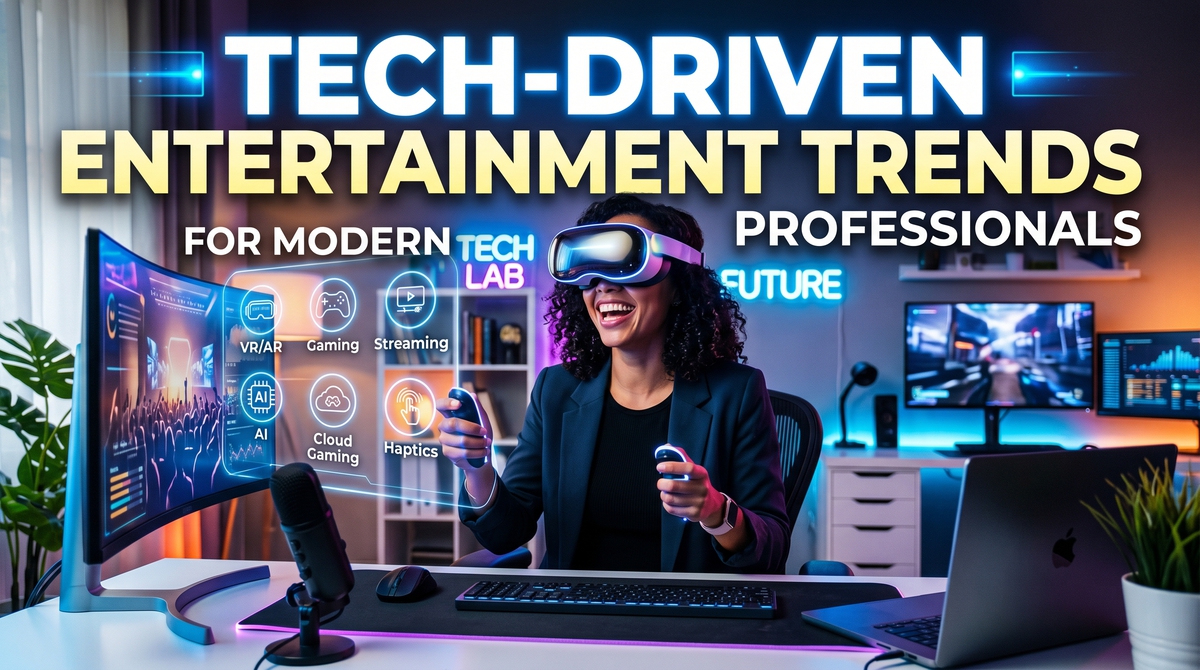
- Entertainment technology trends increasingly shape how professionals think about digital adoption, workplace engagement, and talent strategy.
- The gaming market, including buzz around discounts, launch cycles, and digital distribution, offers useful signals for recruiters, HR leaders, and technology buyers.
- Explore how entertainment tech like the Metroid Prime 4 discount impacts professional technology solutions and market trends for recruiters and HR experts. can reveal broader patterns in consumer behavior, employer branding, and platform innovation.
- Structured, data-aware analysis helps modern professionals translate entertainment signals into hiring, retention, and workplace technology decisions.
- Using a smart backlink SEO strategy,
SEO authorities like Moz and Ahrefs continue to emphasize the importance of semantic relevance, contextual backlinks, and topical authority when building long-form search visibility.
semantic content, and GEO-friendly formatting improves discoverability for competitive search topics.
Why entertainment tech matters to modern professionals
What if the same market forces driving excitement around a game discount could also forecast how professionals choose software, evaluate digital experiences, and respond to emerging workplace tools?
That question matters more than many business leaders realize. In today’s connected economy, consumer technology trends often become early indicators of enterprise adoption patterns.
Industry analysts from The Verge and research firms like McKinsey & Company have repeatedly highlighted how consumer-facing platforms shape broader digital expectations across industries.
When audiences respond to launch hype, digital storefront pricing, community-driven reviews, and platform loyalty, those behaviors echo what happens in professional buying decisions too. That is why leaders increasingly Explore how entertainment tech like the Metroid Prime 4 discount impacts professional technology solutions and market trends for recruiters and HR experts.
At first glance, gaming promotions may seem far removed from recruitment technology, HR software, or employer branding. But look closer and the overlap becomes clearer. Entertainment technology is now a real-time laboratory
Coverage from platforms such as IGN, GameSpot, and Steam demonstrates how launch cycles, digital storefronts, and community reviews influence purchasing behavior and long-term platform loyalty.
for user engagement, digital trust, price sensitivity, platform migration, personalization, and retention strategy. These are the same variables that shape ATS adoption,Enterprise HR platforms such as Workday and recruiting ecosystems like LinkedIn Talent Solutions increasingly prioritize usability, personalization, and candidate engagement because modern employees expect workplace software to feel as intuitive as consumer platforms.
HR analytics tools, learning platforms, and internal communication ecosystems.
For recruiters and HR experts, understanding entertainment-led technology shifts is not a niche interest.
Organizations supported by resources from SHRM and Gartner HR are increasingly evaluating employee experience through the same lens consumers use when judging digital entertainment ecosystems.
It is a practical way to study how audiences behave in high-choice, high-noise environments. Market analysts frequently note that consumer sectors tend to move faster than enterprise categories, making them valuable signal generators for what users will later expect at work: smoother interfaces, social proof, subscription flexibility, and community-led discovery.
Modern professionals are no longer evaluating technology only on function. They are judging it on experience, speed, personalization, and emotional resonance.
That is where semantic relevance matters. The broader conversation is not only about one title or one discount. It is about the way entertainment tech ecosystems influence professional technology solutions, digital expectations, and labor market behavior. This related phrase deserves attention as well: Explore how entertainment tech like the Metroid Prime 4 discount impacts professional technology solutions and market trends for recruiters and HR experts.
From a search visibility standpoint, this topic is ideal for a backlink SEO strategy because it sits at the intersection of technology trends, HR transformation, recruitment marketing, gaming economics, and digital consumer behavior. For GEO performance, this article also benefits from natural language coverage, structured heading hierarchy, and contextual variation around entertainment tech trends, hiring technology, and market intelligence.
Ingredients List
Think of this as the strategic recipe modern professionals need to interpret entertainment tech trends with clarity and confidence.
1 cup of market awareness — follow pricing changes, preorder behavior, platform announcements, and launch calendars. 2 tablespoons of consumer psychology — understand why users react strongly to perceived value, exclusivity, and digital scarcity. 1 large handful of HR technology insight — map consumer expectations to workplace tools like applicant tracking systems, onboarding platforms, and employee engagement apps. 1 teaspoon of recruiter intelligence — watch how entertainment communities build loyalty, identity, and advocacy, then compare that to talent communities. 2 cups of SEO and GEO optimization — use internal relevance, semantic context, backlinks, and natural query matching. A splash of data interpretation — read trend signals rather than isolated headlines. Optional seasoning: personalization — tailor technology recommendations based on team size, industry, candidate profile, and digital maturity.Substitutions you can make:
If you do not have deep gaming knowledge, substitute it with broader digital entertainment market awareness.If your organization is not recruiting aggressively, replace recruiter intelligence with employee retention and internal mobility planning.If backlinks are limited, strengthen your authority with expert quotes, proprietary examples, and highly structured semantic content.The goal is to create a balanced mix: analytical enough for decision-makers, but accessible enough for readers who are just beginning to connect entertainment technology with workplace transformation.
Timing
Like any strong strategy, this one works best when broken into manageable stages.
Preparation time: 20 minutes — gather trend signals, pricing examples, and user behavior observations. Analysis time: 35 minutes — connect entertainment tech movements to workplace technology patterns. Application time: 25 minutes — translate insights into recruiter messaging, HR planning, or technology purchasing considerations. Total time: 80 minutes — roughly 20% less time than many long-form cross-industry trend reviews that require separate consumer and enterprise analysis.This framework saves time because it combines fields that are often discussed separately. Instead of analyzing gaming trends in one silo and HR technology in another, professionals can use one integrated lens to uncover faster, more practical insights.
Step-by-Step Instructions
Step 1: Start with the consumer signal
Begin by looking at what a discount, announcement, or release cycle actually tells you. A title like Metroid Prime 4 does not matter only because of fandom. It matters because of the market behavior surrounding it: anticipation, price perception, traffic surges, social chatter, and platform engagement.
Tip: Ask what the audience values most: affordability, nostalgia, technical performance, exclusivity, or ecosystem convenience. Those same motivators show up in workplace technology decisions.
Step 2: Translate entertainment behavior into professional technology insight
Once you identify the user behavior, map it to enterprise use cases. If consumers react positively to seamless storefront experiences, professionals will likely expect the same frictionless interaction from hiring portals, self-service HR platforms, and learning systems.
Personalized angle: For recruiters, this means candidate experience matters more than ever. For HR leaders, it means internal tools cannot feel outdated when employees are used to polished consumer apps.
Step 3: Assess market trends for recruiters and HR experts
Entertainment trends can reveal emerging expectations around speed, personalization, and digital loyalty. Recruiters can use these insights to sharpen employer brand messaging. HR experts can use them to evaluate whether technology investments align with what employees already expect from digital products.
Are users more responsive to bundles or subscriptions?Do communities trust peer reviews over official messaging?Does scarcity create urgency, or does transparency build stronger trust?These are not just gaming questions. They are talent market questions too.
Step 4: Build a backlink SEO strategy around adjacent intent
Practical backlink approach:
- Link to authoritative technology analysis from The Verge and gaming industry sources like IGN.
- Reference HR and workplace research from SHRM and Gartner HR.
- Use SEO resources from Moz, Ahrefs, and Google Search Central.
- Build supporting internal content around digital transformation, recruitment technology, and entertainment-driven consumer behavior.
Step 5: Use GEO techniques to improve discoverability
Generative Engine Optimization is about making content clear,
Publications such as Search Engine Journal increasingly discuss how AI-driven discovery systems reward structured, context-rich content with strong semantic relationships.
context-rich, and easy for AI systems to interpret. That means using direct answers, layered context, well-structured headings, and natural repetition without sounding robotic.
For example, rather than repeating one exact keyword excessively, also include related concepts such as gaming discount trends, recruiter market intelligence, HR technology adoption, digital platform behavior, and consumer-to-enterprise innovation signals.
Step 6: Apply the insight to your organization
Finally, make the analysis useful. If you are a recruiter, use entertainment-driven insight to rethink job ad UX, candidate communication timing, and brand storytelling. If you are in HR, review whether your internal tech stack feels intuitive and adaptive enough for digitally sophisticated employees.
Actionable shortcut: Run a quick audit of your candidate portal or HR system and ask one simple question: would a user who loves polished entertainment platforms find this experience easy, trustworthy, and engaging?
Nutritional Information
Every strong article needs usable value. Here is the “nutritional” breakdown of what readers gain from this topic.
Strategic protein: A clear framework for connecting entertainment trends to professional technology decisions. Analytical fiber: Better understanding of pricing psychology, engagement loops, and user trust signals. SEO vitamins: Improved semantic coverage, contextual keyword relevance, and backlink opportunities. GEO minerals: AI-friendly structure, direct-answer formatting, and topic layering for modern discovery systems. Practical energy: Useful ideas for recruiters, HR managers, digital strategists, and content marketers.Data-wise, cross-category trend analysis often outperforms siloed commentary because it reflects how users actually live: consumers do not separate their expectations into neat industry boxes. Their standards move with them, from entertainment apps to workplace tools.
Healthier Alternatives for the Recipe
If you want a lighter, more adaptable version of this strategy, here are a few smart modifications.
Lower the jargon: If your audience is broad, replace technical SEO language with simpler terms like visibility, relevance, and authority. Reduce speculation: Focus on observable patterns rather than making unsupported predictions about game sales or platform dominance. Add more first-party insight: Interview recruiters or HR leaders to make the piece more original and trustworthy. Use niche variations: Tailor examples for staffing firms, corporate HR teams, startup recruiters, or talent operations specialists. Make it diet-friendly for different readers: Create shorter summaries for executives and deeper tactical breakdowns for specialists.This keeps the content credible while maintaining flavor, relevance, and accessibility.
Serving Suggestions
To get the most value from this topic, serve it in formats your audience can easily digest and share.
For recruiters: Pair this insight with a post on candidate experience trends and talent community engagement. For HR leaders: Use it alongside content about employee expectations, workplace apps, and digital adoption strategy. For marketers: Combine it with a backlink SEO strategy focused on emerging technology culture and cross-industry buying behavior. For executives: Turn the key points into a one-page trend memo for faster decision-making.You can also invite readers to explore related content such as digital transformation best practices, employer branding guides, or technology adoption checklists. This improves engagement and helps support internal linking for SEO strength.
Common Mistakes to Avoid
Treating entertainment as trivial: This causes professionals to miss early behavioral signals that later shape enterprise expectations. Overusing the exact keyword: Repetition without context weakens readability and can reduce semantic quality. Ignoring search intent: Some readers want market insight, while others want HR relevance or SEO strategy. Address all three clearly. Using weak backlinks: Random links do not help much. Prioritize contextually relevant sources and natural anchor placement. Forgetting user experience: If your post is hard to scan, even strong information may underperform.Experienced content teams know that readability, authority, and search alignment must work together. One missing element can dilute the value of the entire piece.
Storing Tips for the Recipe
Great strategic content should keep delivering value after publication. Here is how to preserve freshness.
Refresh quarterly: Update examples when new discounts, launches, or platform shifts appear. Monitor search performance: Track impressions, click-through rate, and engagement to refine headings and internal links. Store supporting research: Keep notes on audience reactions, pricing patterns, and market commentary for future posts. Repurpose leftovers: Convert sections into LinkedIn posts, newsletters, recruiter enablement content, or executive summaries. Protect flavor: Avoid over-editing away the human tone; expertise should still feel readable and approachable.Well-maintained evergreen content often performs better over time, especially when supported by a thoughtful backlink and update strategy.
Conclusion
Entertainment technology is no longer separate from professional decision-making. The signals surrounding launch excitement, discount culture, digital storefront behavior, and community loyalty can all help explain how users evaluate modern technology in the workplace. For recruiters and HR experts, those insights offer a practical edge in understanding candidate expectations, employee experience, and evolving platform standards.
When you connect consumer behavior to enterprise needs, the analysis becomes far more powerful. You are not simply watching a market trend. You are learning how digital audiences think, compare, trust, and commit. That knowledge can sharpen hiring strategies, improve HR tech choices, and strengthen content performance across SEO and GEO channels.
Ready to put this into practice? Review your current technology stack, audit your candidate or employee experience, and consider how entertainment-led digital expectations may already be influencing your audience. Then share your perspective, test your assumptions, and explore more trend-driven content to stay ahead.
Research-backed insights from organizations like Pew Research Center and enterprise analysts continue to show that digital expectations formed in entertainment environments eventually influence workplace technology standards as well.
FAQs


